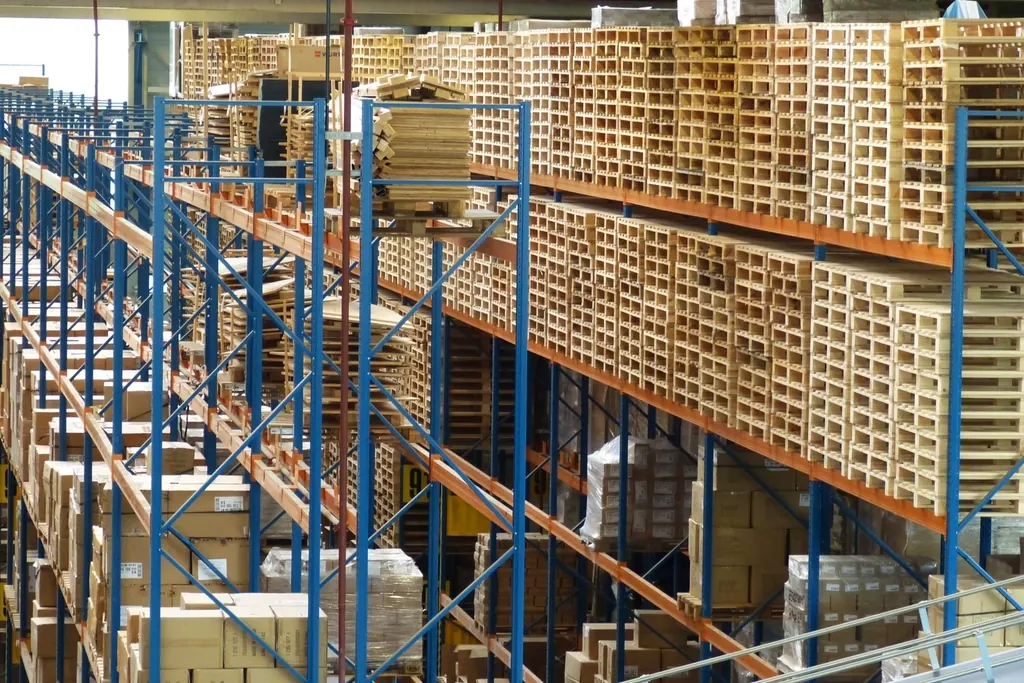
A warehouse or production floor is one of the hardest places to make wireless work. The methods that suit an office, a few access points on the ceiling and a quick check with a phone, routinely fail there. We are usually called after the handheld scanners start dropping out.
What makes these buildings different
- Metal and stock. Racking, machinery and the goods themselves block and reflect the signal. Coverage changes when the shelves are full.
- Height. An access point forty feet up can be too far from a device on the floor.
- Devices that move. A scanner on a forklift has to hand over from one access point to the next without losing its session.
- Interference. Machinery and neighboring networks compete for the same channels.
The problem of sticky devices
A common fault is a device that clings to a distant access point when a closer one is available. The connection shows as present and performs badly. Fixing it means setting a minimum signal strength so that weak connections are handed over, and adjusting power so that access points do not shout over each other. More power is rarely the answer.
How it should be done
- Survey with the building in use, shelves stocked and machinery running.
- Measure with the devices your staff actually carry, not a laptop.
- Mark the results on a floor plan and place access points from the measurements.
- Walk the routes your staff walk and confirm that devices hand over cleanly.
- Repeat the survey when the layout changes.
The cost of a proper survey is small beside an hour of a stopped shipping line.
Related service: Networking & wireless.